Papillon Silhouette Vector for T-Shirt Review
As a designer who spends more time looking at stitch lines than actual thread, I have developed a fairly strict filter for digital assets. When I see a file advertised as a papillon Silhouette Vector for T-Shirt Design, my first question is never about the price or the download speed; it is about execution. Will this translate well from a flat vector into a three-dimensional embroidered object? Does the silhouette hold its shape when subjected to the tension of a hoop and the pull of needle penetration?
I recently evaluated the Papillon Silhouette Vector for T-Shirt with the intent of using it in a small batch of custom apparel for a local boutique client. The package included a comprehensive set of files—PNG, EPS, JPG, SVG, and PDF formats compressed into a single ZIP archive. While having multiple formats is convenient for different stages of the design workflow, the true test lies in how these graphics behave when converted into machine embroidery instructions. Here is my practical assessment of how this design performs in real-world application.
First Impressions and Visual Personality
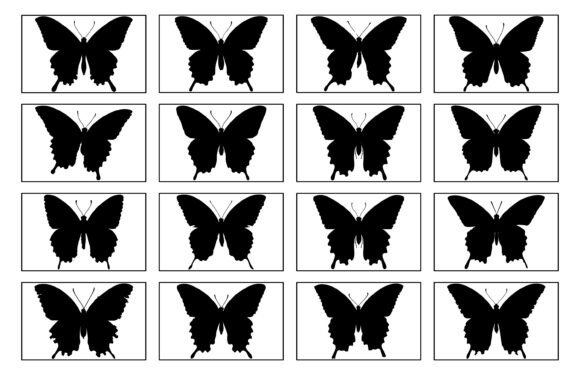
The moment I opened the vector file, the clean lines of the butterfly silhouette stood out. In the world of machine embroidery design, simplicity is often the hardest thing to achieve without losing character. This design strikes a balance that many illustrators miss. It feels modern yet timeless, avoiding the cluttered detail that often results in muddy stitching on smaller garments.
The mood created by the silhouette is elegant and versatile. It does not scream for attention with neon colors or complex gradients (which are impossible to replicate in standard thread anyway). Instead, it relies on form and negative space. This makes it an excellent candidate for applique design techniques, where the fabric itself provides the color, or for dense fill stitch applications where the texture of the thread becomes the primary visual element. For Etsy sellers and craft business owners, this kind of versatile aesthetic is gold because it appeals to a broad demographic, from those seeking minimalist nursery decor to adults looking for sophisticated custom apparel.
Real-World Application: From Screen to Stitch
I tested the concept of the papillon Silhouette Vector for T-Shirt across several potential products to see where it fit best. The most immediate use case was obviously t-shirts and sweatshirts. On a heavyweight cotton tee, the silhouette would look striking if executed in a contrasting thread colors palette. However, the real value here might be in accessories.
Imagine this design as an embroidered patch applied to a denim jacket or a canvas tote bag. The clean edges of the vector allow for precise trimming if you are doing applique, resulting in a professional finish that looks hand-finished rather than mass-produced. I also visualized this on baby clothes. A subtle, monochromatic butterfly silhouette on a white onesie or a pastel blanket offers a level of sophistication that parents appreciate. It avoids the cliché of overly detailed cartoon insects, opting instead for a graphic approach that ages well.
For holiday embroidery projects, such as Christmas stockings or gift tags, the butterfly could serve as a charming accent. While butterflies are often associated with spring, a dark-colored silhouette on a festive red or green background creates a unique, high-contrast look that stands out in a sea of traditional holiday motifs. This versatility increases the perceived value of the finished product, allowing you to market the same design asset across multiple seasons.
Where Caution Is Required
No design is perfect for every surface, and being honest about limitations is crucial for maintaining customer trust. There are specific scenarios where the papillon Silhouette Vector for T-Shirt requires careful consideration.
First, consider hoop size. If you attempt to digitize this for a very small area, such as the cuff of a sock or a tiny pocket square, the details may become indistinguishable. Stitch density must be adjusted based on the final size. If the design is too small, the satin stitch edges may overlap or look bulky. Always test the design on scrap fabric before committing to the final material.
Fabric choice is equally critical. Embroidering on stretchy fabrics like thin jersey or loose-knit sweaters can cause distortion if proper stabilizer is not used. The weight of the thread and the tension of the machine can pucker the fabric, ruining the clean lines of the silhouette. Similarly, textured fabrics like heavy tweed or boucle can hide the definition of the stitches, making the butterfly look blurred. For these materials, a smoother weave is preferable to ensure the embroidery project retains its crisp appearance.
Dark fabrics present another challenge. If you plan to embroider a light-colored butterfly on a black shirt, you will need underlay stitches to make the top thread pop. Without proper digitizing adjustments, the design may look faint or washed out. Conversely, a dark silhouette on a light shirt offers better contrast but may require fewer threads, potentially exposing the backing if the fill is not dense enough.
Impact on Brand and Sales
For small shop product creators, the quality of your design directly impacts buyer engagement. A well-executed digital embroidery file signals professionalism. When customers receive a handmade item with clean stitches and no puckering, their trust in your brand increases. They are more likely to leave positive reviews and recommend your shop to others.
The papillon Silhouette Vector for T-Shirt also enhances the giftability of your items. Personalized gifts often succeed because they feel thoughtful and unique. A beautifully embroidered butterfly motif adds a touch of artistry that generic printed designs lack. Whether it is a personalized gift for a wedding or a birthday present, the tactile nature of embroidery adds value that paper prints cannot match.
Furthermore, having a clean vector allows you to create printable mockups for your online listings. You can showcase the design in various contexts—on a hat, a pillow cover, or a tea towel—without physically producing each item. This helps creative entrepreneurs visualize the potential of the design and attract buyers who are looking for specific aesthetics.
Practical Designer Notes
- Test on Scrap: Always run a test stitch on the actual fabric you intend to use. Different materials react differently to needle penetration and thread tension.
- Check Contrast: Ensure there is sufficient contrast between the thread and the fabric. Low-contrast combinations can result in a design that is difficult to see.
- Review Density: Adjust the stitch density based on the size of the design. Larger designs can handle denser fills, while smaller ones need lighter touches to avoid bulk.
- Use Stabilizer: Choose the right stabilizer for your fabric type. Cut-away stabilizers are generally better for stretchy fabrics, while tear-away works well for wovens.
- Inspect Details: Zoom in on the vector to ensure all paths are closed and there are no stray anchor points that could cause stitching errors.
- Confirm Licensing: Before selling any commercial embroidery products, verify the licensing terms of the original vector file to ensure you are allowed to sell finished goods made from it.
In conclusion, the papillon Silhouette Vector for T-Shirt is a strong asset for designers looking to add elegance and versatility to their embroidery project portfolio. Its clean lines and adaptable style make it suitable for a wide range of products, from tote bag design elements to sweatshirt embroidery accents. By paying attention to fabric choice, stitch density, and proper stabilization, you can transform this simple vector into a stunning handmade product that resonates with customers and elevates your brand.