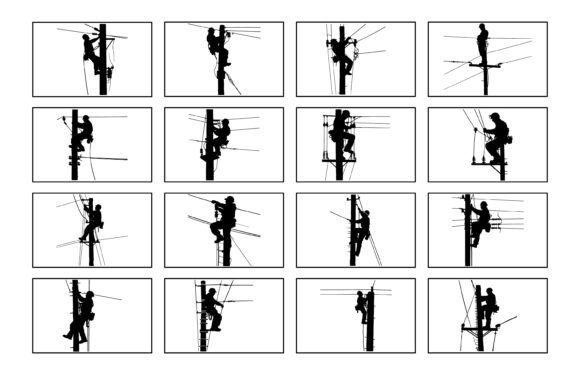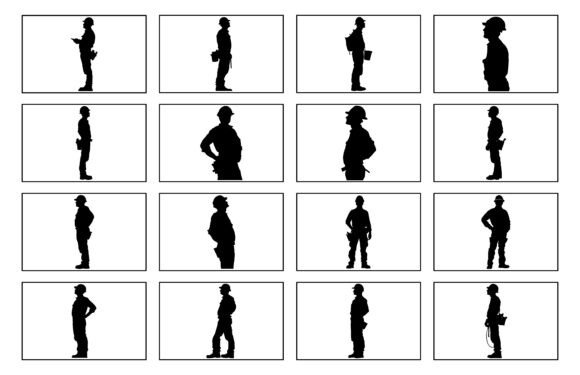
Construction Worker Silhouette Vector Review
As a designer who spends more time than I care to admit staring at stitch lines and fabric grain, I approach every new asset with a healthy dose of skepticism. The market is flooded with generic clip art, but finding a machine embroidery design that actually translates well from screen to needle is rare. Recently, I pulled the Construction Worker Silhouette Vector into my workflow to see if it holds up under the pressure of real-world application. This isn’t just another pretty picture; it’s a Graphics category asset intended for Illustrations, but its true value lies in how it behaves when digitized and stitched.
The first thing that strikes you about this silhouette is its clean, bold geometry. In embroidery, complexity can be a double-edged sword. Too much detail leads to thread breaks and messy backsides; too little looks flat. This vector sits in that sweet spot. It creates an immediate mood of strength, reliability, and blue-collar pride. When I laid out the file on my digital mockup board, it didn’t scream "loud graphic"; it whispered "classic staple." It feels like something you would see on a high-end boutique brand rather than a discount promotional item. For designers looking to build a cohesive line of custom apparel or personalized gifts, this kind of visual personality is gold.
Real-World Application: From Screen to Stitch
I decided to test this design concept against a few specific use cases to see where it truly shines. My primary scenario involved creating a custom embroidered patch for a client’s daughter, who is studying civil engineering. We were aiming for a sweatshirt embroidery project that felt professional yet playful. The silhouette’s solid form made it incredibly easy to visualize different stitching techniques.
When I simulated a satin stitch outline with a dense fill stitch interior, the shape held its integrity beautifully. There were no awkward curves that would have caused puckering on a small hoop size. This makes it an excellent candidate for an embroidered patch that can be ironed or sewn onto various items. Imagine this on a denim jacket back, a canvas tote bag design, or even a structured cap. The contrast between the solid figure and the negative space allows the background fabric to become part of the design, which adds depth without requiring extra thread colors.
Another strong use case I explored was holiday embroidery. Construction workers are often overlooked in seasonal gifting, yet they deserve thoughtful presents as much as anyone. This design could easily be adapted for a family reunion gift or a Christmas stocking stuffer. By pairing the silhouette with subtle festive elements—perhaps a tiny wreath border or a simple ribbon—the personalized gift becomes both meaningful and visually striking. For an Etsy seller or small shop product creator, this versatility means one design file can generate multiple revenue streams throughout the year.
Where to Exercise Caution
While the vector is robust, no design is perfect for every surface. As an experienced reviewer, I need to point out where this embroidery file might struggle. If you plan to stitch this on highly textured fabrics like heavy bouclé wool or loose-weave burlap, the clean lines of the silhouette may get lost. The stability of the base fabric is crucial for maintaining the sharp edges of the worker’s hard hat and boots.
Additionally, avoid using this design on stretchy knits unless you are confident in your tension settings and stabilizer choice. Stretchy fabric can distort the stitch density, causing the silhouette to warp or look distorted after washing. Similarly, while the design works well on dark fabric, be mindful of thread color contrast. A black silhouette on a navy shirt will disappear. You will need to use a contrasting thread color or add a light-colored backing to make the details pop.
I also advise caution when scaling this down to very small hoop sizes. While the main shape is clear, any added text or fine details around the edges may become illegible when stitched at a miniature scale. If you are targeting baby embroidery or tiny accessories, stick to the core silhouette without adding clutter. Curved surfaces like baseball caps can also present challenges; ensure your hoop is stable and your fabric is taut to prevent the vertical lines of the figure from leaning.
Visual Appeal and Brand Value
From a branding perspective, the Construction Worker Silhouette Vector conveys professionalism and trust. Customers associate construction imagery with durability and quality. When they see this design on a finished product, they perceive the maker as someone who understands their world. This psychological connection boosts buyer engagement and can justify a higher price point for your handmade products.
The design’s simplicity also aids in brand consistency. Because it is a monochromatic shape, it can be easily integrated into a larger logo system or used as a recurring motif across different product lines. Whether you are selling commercial embroidery services or digital assets, having a versatile, recognizable icon helps customers remember your work. It pairs exceptionally well with rugged materials like denim, canvas, and flannel, reinforcing the theme of toughness and resilience.
Practical Designer Notes for Success
To ensure your final output matches your vision, follow these practical steps before committing to production:
- Test on Scrap Fabric: Always run a test stitch on the same type of fabric you plan to use. This reveals issues with puckering, tension, or transparency that digital mockups cannot show.
- Check Thread Colors: Experiment with different thread palettes. Metallic threads can add a premium feel, while matte cotton threads offer a classic, rustic look.
- Review Stitch Density: Ensure the stitch density is appropriate for the fabric weight. Heavy densities on light fabrics can cause damage, while light densities on heavy fabrics may not cover the material adequately.
- Confirm Hoop Size: Verify that the design fits comfortably within your standard hoop sizes to avoid re-hooping and alignment errors.
- Inspect Small Details: Zoom in on the original vector to check for any tiny artifacts or overlapping paths that might cause stitching errors.
- Use Proper Stabilizer: Match your stabilizer to the fabric. Cut-away stabilizers are generally safer for garments that will be washed frequently, while tear-away may suffice for temporary projects.
- Verify Licensing: Before selling finished items or offering this as a digital embroidery file, confirm the license terms. Some vectors allow commercial use, while others restrict resale.
In conclusion, the Construction Worker Silhouette Vector is a solid addition to any designer’s library. It offers a balance of aesthetic appeal and technical feasibility that is hard to find. Whether you are creating a heartfelt personalized gift, a trendy tote bag design, or a line of custom apparel, this design provides a reliable foundation. It respects the craft of embroidery while delivering a modern, graphic impact. For makers and entrepreneurs looking to expand their offerings with themes of labor, pride, and strength, this is a smart, strategic choice.