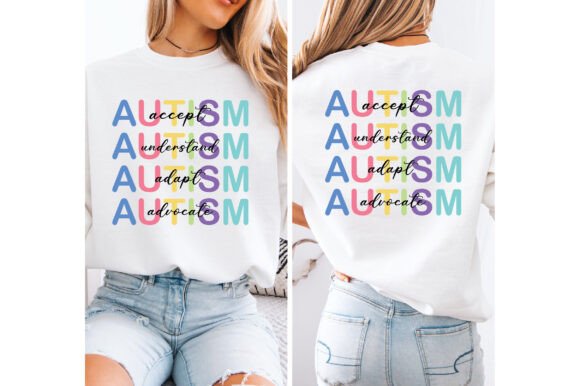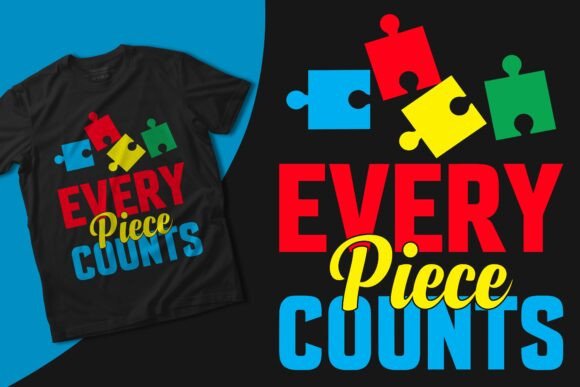
Every Piece Counts Autism Svg Design
As a designer who spends more time staring at stitch lines and thread tension than I care to admit, I don’t look at digital files as just pretty pictures. I look at them as blueprints for physical objects. When I pulled up the Every Piece Counts, Autism Svg Design, my first instinct wasn’t to admire the quote itself—though it is powerful—but to analyze how it would translate from a screen into a tangible, stitched reality. For those of us in the handmade space, whether we are running an Etsy shop or creating personalized gifts for family, the gap between a vector file and a finished product can be wide. This review breaks down that journey, focusing on practical application, visual impact, and the specific nuances of working with this particular design asset.
First Impressions: Mood and Visual Personality
The phrase "Every Piece Counts" carries an inherent weight. It speaks to inclusion, value, and the intricate nature of neurodiversity. Visually, the design leans into a puzzle-piece motif, which has become a recognizable symbol in autism awareness. From a design perspective, the layout feels balanced but requires careful consideration during digitization. The interplay between the text and the graphic elements creates a focal point that is both emotional and commercial. It doesn’t scream for attention; rather, it invites the viewer to pause and reflect. This subtlety makes it ideal for products where you want the message to resonate deeply rather than just being noticed quickly. The aesthetic is clean enough to work across various demographics, appealing to parents, educators, advocates, and individuals within the community alike.
Real-World Application: Where Does It Shine?
I recently found myself preparing a batch of custom apparel for a local boutique event focused on inclusivity. The goal was to create items that felt professional yet heartfelt. The Every Piece Counts, Autism Svg Design immediately stood out as a candidate for several different product types. Here is how I envision it performing in real-life scenarios:
- Sweatshirt Embroidery: There is something comforting about embroidery on a sweatshirt. The fabric provides a stable surface that allows the design to sit proudly without distortion. For a boutique brand, this elevates the perceived value of the item significantly compared to a standard printed tee.
- Tote Bag Design: A canvas tote bag serves as a walking billboard for advocacy. Using this design here turns a functional item into a statement piece. The durability of embroidery ensures the message survives countless washes, reinforcing the longevity of the cause.
- Baby Embroidery: Personalized onesies or burp cloths featuring this sentiment are incredibly popular among gift-givers. The softness of baby fabrics pairs well with the gentle nature of the quote, making it a top choice for nursery decor or new parent gifts.
- Embroidered Patch: Converting the graphic into a patch allows for versatility. It can be sewn onto denim jackets, backpacks, or hats, giving the wearer a customizable way to show support.
In each of these cases, the design acts as a anchor. It grounds the product in purpose. For an Etsy seller or small business owner, having a design that connects emotionally reduces the friction of sales. Customers aren't just buying a shirt; they are buying alignment with their values.
Technical Considerations for Embroidery Designers
While the concept is strong, the execution depends entirely on technical precision. When evaluating any machine embroidery design, I always ask: How will this stitch out? With the Every Piece Counts, Autism Svg Design, there are several critical factors to manage.
First, consider the stitch density. Puzzle pieces often involve fill stitches, which can become bulky if not optimized. If the density is too high, the fabric may pucker, especially on lighter materials like cotton tees or thin polyester blends. Conversely, if it is too sparse, the backing material might show through, ruining the clean look. I strongly advise testing the design on scrap fabric before committing to your final product. Check how the thread colors interact with the background fabric. High contrast is key for readability, so dark threads on light fabric (or vice versa) usually yield the best results.
Another vital aspect is the hoop size. Ensure the design fits comfortably within your machine’s hoop constraints while leaving enough margin for handling. If you are placing this on a curved surface like a cap, the distortion of the fabric around the curve can alter the shape of the puzzle pieces. You may need to adjust the placement or use a specialized stabilizer to maintain structural integrity.
Navigating Fabric and Texture Challenges
Not all fabrics play nice with every design. Textured fabrics, such as heavy wools or terry cloth, can hide the finer details of the stitching. Thin or stretchy knits require additional stabilization to prevent shifting during the embroidery process. If you are working with dark fabric, ensure that your thread colors provide sufficient contrast; otherwise, the design may get lost in the weave. For products that require frequent washing, such as kitchen towels or aprons, verify that the stitch type used for the edges is secure to prevent fraying over time.
Aesthetic Impact and Brand Consistency
From a branding standpoint, the Every Piece Counts, Autism Svg Design offers a level of professionalism that enhances trust. When customers see a well-executed embroidered piece, they associate it with quality craftsmanship. This is particularly important for commercial embroidery projects where repeat business depends on consistency. The design’s clear message and structured layout make it easy to integrate into a cohesive brand identity. Whether you are creating design assets for print-on-demand services or crafting unique handmade products, this design maintains its visual appeal across different mediums.
Furthermore, the versatility of the file formats included—such as SVG, DXF, and PNG—allows for flexibility in presentation. You can use the vector files for precise cutting or scaling, while the high-resolution PNGs are perfect for creating printable mockups to showcase your products online. This dual utility saves time and ensures that your digital previews accurately represent the final finished product.
Practical Tips for Success
To get the most out of this design, I recommend the following workflow:
- Test on Scrap: Always run a test stitch-out on the actual fabric you plan to use. This reveals issues with tension, needle type, or stabilizer choice early.
- Check Contrast: View your design in black and white to ensure legibility. If the text and graphics blend together, adjust the thread colors.
- Stabilize Properly: Use the correct stabilizer for your fabric weight. Cut-away stabilizers are generally safer for stretchy fabrics, while tear-away works well for woven materials.
- Inspect Details: Zoom in on small letters and intricate corners. Ensure that no details are too fine to be stitched reliably.
- Review Licensing: Before selling any custom apparel or digital products, confirm the licensing terms associated with the file. Commercial rights vary, and clarity here protects your business.
Ultimately, the Every Piece Counts, Autism Svg Design is more than just a graphic; it is a tool for connection. By approaching it with technical diligence and creative intent, designers and crafters can produce items that are not only beautiful but also meaningful. Whether you are decorating a holiday gift, launching a new line of small shop products, or simply adding a personal touch to a family heirloom, this design offers a solid foundation for success. Take the time to prepare, test, and refine, and you will find that every piece truly does count in the final result.