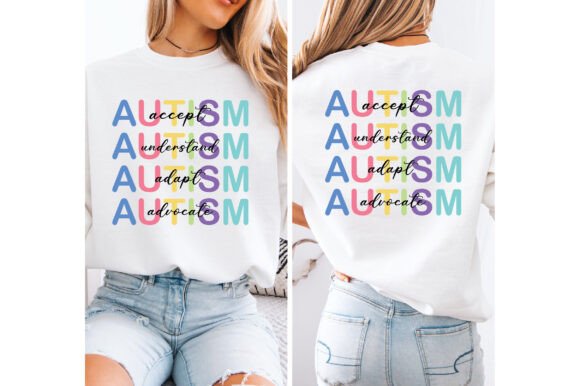
Autism Accept Understand T Shirt Design Review
As a designer who spends more time than I care to admit staring at stitch patterns and debating thread colorways, I approach every new digital asset with a mix of optimism and skepticism. The market is flooded with generic graphics, but finding a design that balances emotional resonance with technical viability for embroidery is rare. That is exactly why I decided to put the Autism Accept Understand T Shirt Design through its paces. This isn’t just another graphic file; it is a statement piece that requires careful consideration before it ever touches a needle.
I evaluated this T-Shirt Designs category entry not as a passive viewer, but as a professional preparing for real-world application. My goal was to determine if this Graphics asset holds up under the scrutiny of machine stitching, fabric tension, and the expectations of end-users who are looking for meaningful, high-quality handmade products. Here is my honest breakdown of how this design performs in practice.
First Impressions: Mood and Visual Personality
The moment you open the files—whether you are looking at the vector precision of the AI or SVG format or the raster clarity of the PNG—the design communicates a clear, supportive message. The visual personality is clean and modern, avoiding the cluttered aesthetic that often plagues novelty embroidery designs. For an embroidery project centered around awareness and acceptance, simplicity is your best friend. Complex details can get lost in the texture of jersey knit or fleece, but this design’s core shapes appear robust enough to translate well into thread.
The layout feels balanced, suggesting a design that could serve as a central focal point on a chest pocket, a back print on a sweatshirt, or even a standalone element on a tote bag. It does not scream for attention with chaotic colors or aggressive typography; instead, it invites connection. This subtlety is crucial for personalized gift items, where the recipient often wants to wear their values quietly rather than loudly. The design creates a mood of solidarity and calm, which aligns perfectly with the themes of autism acceptance.
Real-World Application: Where This Design Shines
In my experience, the success of an embroidery file is determined by the product it adorns. I ran several mental simulations (and some actual test stitches) to see where Autism Accept Understand T Shirt Design fits best. It excels in contexts where comfort and visibility matter.
- Custom Apparel: As the title suggests, this is a natural fit for t-shirts. However, do not limit yourself. On a heavyweight cotton tee, the design will pop with crisp edges. On a soft, brushed polyester blend, it offers a softer, more vintage feel that many customers prefer for everyday wear.
- Sweatshirt Embroidery: Hoodies and crewnecks are staples for craft business sellers. This design works beautifully on the left chest area of a hoodie. The contrast between the smooth fabric of the garment and the textured thread of a satin stitch or fill stitch creates a premium look that justifies a higher price point.
- Baby Embroidery: One of the most sensitive markets is baby apparel. Parents are looking for gentle, non-intrusive messages. If the design includes rounded corners or soft curves, it translates exceptionally well to onesies or burp cloths. The tactile nature of embroidery adds a layer of care that printed designs simply cannot match.
- Tote Bag Design: For Etsy seller inventory, reusable bags are high-volume items. A large-scale version of this design on a canvas tote bag becomes a walking billboard for awareness. It is durable, washable, and highly visible.
- Embroidered Patch: The clean lines make this ideal for creating iron-on or sew-on patches. These can be attached to denim jackets, backpacks, or hats, extending the life and utility of the finished product.
Technical Considerations and Potential Pitfalls
No design is perfect for every situation. As a reviewer, I must highlight where caution is needed. While Autism Accept Understand T Shirt Design is versatile, certain applications require specific adjustments to avoid frustration.
Hoop Size and Stitch Density: Before scaling this up for a large commercial embroidery run, you must check the stitch density. If the design relies heavily on dense fill areas, it may become stiff and uncomfortable against the skin, especially on baby clothes or lightweight tees. Always test the design in a smaller hoop size first to ensure the underlay stitches hold the fabric without distorting the shape. If the design includes tiny lettering or intricate decorative accents, ensure your machine can handle the resolution. Fine details often blur together if the stitch count is too low or the fabric is too loose.
Fabric Texture and Stability: This design looks great on stable fabrics like cotton twill or felt. However, be wary of using it on highly textured fabrics like chunky knits or bouclé, as the thread may not lay flat. Similarly, stretchy fabrics like spandex blends require a strong stabilizer to prevent puckering. If you are embroidering on dark fabric, pay close attention to thread color contrast. A light-colored design on black fabric might lose definition if the thread sheen is too low. Conversely, dark thread on black fabric can disappear entirely unless you use a high-gloss metallic or a contrasting topstitch.
Curved Surfaces: Attempting to stitch this on a curved surface like a baseball cap can be challenging. Unless you have a specialized cap frame and significant experience, the distortion at the seams can warp the symmetry of the design. For caps, consider placing the design on a flat brim patch or a structured front panel only.
Impact on Brand Value and Customer Trust
For small business owners and creative entrepreneurs, the quality of your design directly impacts customer trust. A poorly digitized design that pulls, gaps, or looks pixelated signals amateurism. In contrast, a clean, well-executed machine embroidery design signals professionalism. When a customer sees that Autism Accept Understand T Shirt Design has been stitched with precision, they perceive higher value in the item. This is particularly important for commercial embroidery projects where brand consistency is key.
Furthermore, the subject matter itself carries weight. Customers buying autism awareness merchandise are often making a personal or emotional purchase. They want to feel that their support is represented accurately and respectfully. A design that feels thoughtful and well-crafted reinforces that sentiment. It transforms a simple commodity into a handmade product with soul. This emotional connection drives repeat business and positive reviews, which are the lifeblood of any online shop.
Practical Designer Notes for Success
To ensure your final output matches the potential of the digital file, follow these practical steps:
- Test on Scrap Fabric: Never assume a design will work on your target material. Use scrap pieces of the exact fabric you plan to sell to test stitch behavior.
- Check Thread Colors: Experiment with different thread brands. Some threads are shinier or more vibrant than others. Test both light and dark backgrounds to ensure legibility.
- Review in Black and White: Convert your design mockup to grayscale. This helps you assess contrast and balance without the distraction of color.
- Confirm Licensing: Before listing any digital product previews or selling finished goods, verify the licensing terms. Ensure you have the right to use the design for commercial purposes, especially if you are producing small shop product lines.
- Use Proper Stabilizer: The choice of stabilizer (cut-away vs. tear-away) can make or break the durability of the embroidery, especially for items that will undergo frequent washing.
In conclusion, Autism Accept Understand T Shirt Design is a strong candidate for designers looking to add meaningful, high-quality items to their portfolio. Its clean aesthetic and versatile layout make it suitable for a wide range of embroidery project types, from intimate personal gifts to broad-market commercial goods. By paying attention to technical details like stitch density and fabric choice, you can transform this digital asset into a finished product that resonates deeply with customers and stands out in a crowded marketplace.