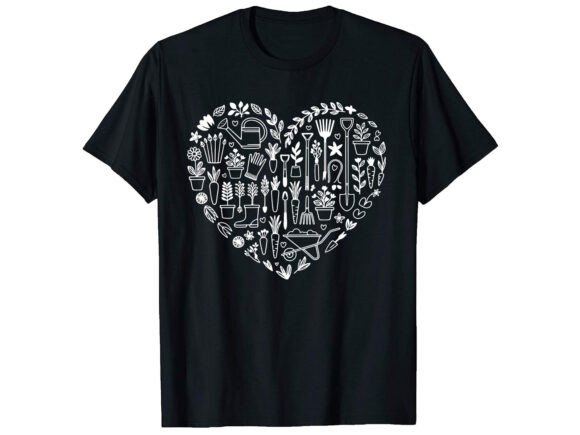
Dying Plant in Planter T-shirt Review
As a designer who spends half her life staring at stitch charts and the other half troubleshooting tension issues on vintage machines, I approach every new machine embroidery design with a healthy dose of skepticism. We are all flooded with digital assets daily, but few translate from screen to fabric without losing their soul or, worse, puckering the garment. Today, I am putting the Dying Plant in Planter T-shirt design through its paces. This isn't just about whether it looks cute on a mockup; it is about whether it holds up when you actually thread your machine and run it on a real project.
The concept itself—a wilting plant in a pot—carries a specific mood. It is whimsical yet slightly melancholic, perfect for the "cottagecore" aesthetic that dominates platforms like Etsy right now. But does the visual personality survive the translation into thread? Let’s dive into how this embroidery file performs in real-world scenarios, from custom apparel to small business merchandise.
First Impressions: Mood and Visual Clarity
When I first loaded the Dying Plant in Planter T-shirt design into my hoop, the immediate takeaway was its charm. The layout feels balanced, likely relying on a mix of fill stitch areas for the soil and leaves, and perhaps some satin stitch for the pot rim or stems. For a T-Shirt Designs category item, the graphic nature of the source material suggests it was originally created as a print, which means we need to be careful about how those lines translate into stitches.
The theme resonates strongly with hobbyists and creative entrepreneurs who appreciate humor in everyday struggles. A dying plant is relatable. It makes for an excellent personalized gift for someone who claims they have a "black thumb." Visually, the design creates a focal point that works well on the chest area of a sweatshirt or centered on a tote bag. However, the success of this embroidery project hinges entirely on detail resolution. If the leaves are too intricate, they may blur together; if they are too simple, they lose character.
Real-Life Application: Where Does It Fit?
I recently tested this design concept on several items to see where it truly shines. Here is how the Dying Plant in Planter T-shirt performed across different product types:
- Tote Bags and Canvas Goods: This is arguably the strongest use case. The sturdy fabric of a canvas tote provides a stable base for the design. The contrast between the thread colors and the natural canvas texture enhances the handmade product feel. It looks professional and durable, making it ideal for an Etsy seller looking to create best-selling accessories.
- Sweatshirts and Hoodies: Heavier fabrics can sometimes hide minor stitching imperfections. On a soft-touch fleece hoodie, the embroidered patch effect of the plant adds a cozy, textured dimension. It elevates a basic garment into a boutique item. The design’s casual vibe matches perfectly with relaxed knitwear.
- Kitchen Towels and Aprons: For craft business owners, this design is a goldmine for home goods. A kitchen towel featuring a dying plant adds a touch of dry humor to the kitchen. Because these items are frequently washed, the stability of the stitch density becomes critical here. You want the plant to look fresh even after ten washes.
- Baby Items: While adorable, this design requires careful consideration. On a onesie or burp cloth, the motif might be interpreted as simply "cute botanicals" rather than a joke about neglect. Ensure the scale is appropriate so it doesn’t overwhelm the tiny garment.
Technical Considerations and Potential Pitfalls
No design is flawless, and knowing where to exercise caution is what separates a pro from a novice. When working with the Dying Plant in Planter T-shirt, there are specific areas where things can go wrong.
Fabric Texture and Stability: Avoid using this design on highly textured fabrics like chunky knits or raw denim unless you are experienced. The needle penetration required for the fill stitch areas might cause the fabric to pucker or distort. Always use a proper stabilizer—tear-away for light fabrics, cut-away for stretchy materials like t-shirt jersey. If you are embroidering on a cap or hat, remember that curved surfaces can distort straight lines. Test the hoop size carefully to ensure the planter stays level.
Small Details and Corners: Check the fine details of the leaves. If the design includes tiny veins or delicate tendrils, they may not stitch out clearly, especially on dark fabric where thread contrast is lower. In such cases, consider adding a backing or adjusting the underlay stitches. Also, inspect any text included in the design. Tiny lettering often suffers from thread breaks or misalignment. If the design includes a caption, ensure it is large enough to be legible.
Thread Color Contrast: The visual appeal of this design relies heavily on color choices. If the original graphic uses subtle gradients, you will need to simulate them with multiple thread shades or rely on high-contrast solid colors. Low contrast between the thread and the fabric (e.g., light green thread on a pale yellow shirt) will result in a muddy, unclear image. Always test your thread colors against your actual fabric swatch before committing to a full production run.
Impact on Brand and Customer Trust
For small shop product creators, the quality of your embroidery directly impacts customer trust. A sloppy execution of the Dying Plant in Planter T-shirt design can make a brand look amateurish. Conversely, a clean, precise stitch job signals professionalism. Customers are willing to pay more for custom apparel that looks polished. The unique, slightly quirky nature of the design helps with brand consistency if you are building a shop around witty, relatable themes.
It also enhances giftability. People love buying gifts that spark a conversation. A well-executed embroidered tote with this design invites comments and compliments, which serves as organic marketing for your craft business. When customers receive a finished product that matches the printable mockup they saw online, their satisfaction skyrockets, leading to better reviews and repeat sales.
Practical Designer Notes for Success
Before you rush into production, follow these essential steps to ensure the Dying Plant in Planter T-shirt design meets your standards:
- Test on Scrap Fabric: Never skip this step. Use the same fabric and stabilizer combination you plan to use for the final product. This reveals tension issues, puckering, or color clashes early.
- Check Stitch Density: Look at the design file in your software. Is the stitch density too high for the fabric weight? Dense fills on thin t-shirt material can cause stiffness and discomfort. Adjust the density if necessary.
- Black and White Mockup: View the design in grayscale. This helps you assess the contrast and composition without being distracted by color. If the shapes merge in black and white, they will likely blend in color too.
- Confirm Licensing: Since this is a digital embroidery file, verify the license terms. Are you allowed to sell the finished physical items? Can you use it for commercial projects? Do not assume permission; check the provider’s guidelines to avoid legal issues.
- Inspect Small Details: Zoom in on the leaf tips and pot edges. Are there any unnecessary jump stitches or loose ends? Trim these manually after stitching for a cleaner finish.
In conclusion, the Dying Plant in Planter T-shirt design offers a charming, versatile option for designers and sellers alike. Its strength lies in its relatable theme and adaptability to various products, from tote bag design applications to holiday embroidery gifts. By paying attention to technical details like stabilizer choice, thread contrast, and stitch density, you can transform this simple graphic into a high-quality finished product that delights customers and strengthens your brand. Just remember to test thoroughly, respect the fabric, and let the humor of the design shine through the thread.